
Fresh water is a blessing to be reckoned with, and when water sources are hit by natural disasters such as floods or earthquakes, concerns increase about the quality of the water and whether it is safe to use. With the increase in natural disasters in recent years, it becomes necessary to think about strategies to ensureWater cleanlinessAnd its safety. In this article, we will review someEffective methodsTo maintainClean waterIn times of disasters, how to prepare to confront potential risks.
How do you maintain clean water in times of natural disasters? Important tips for the future!
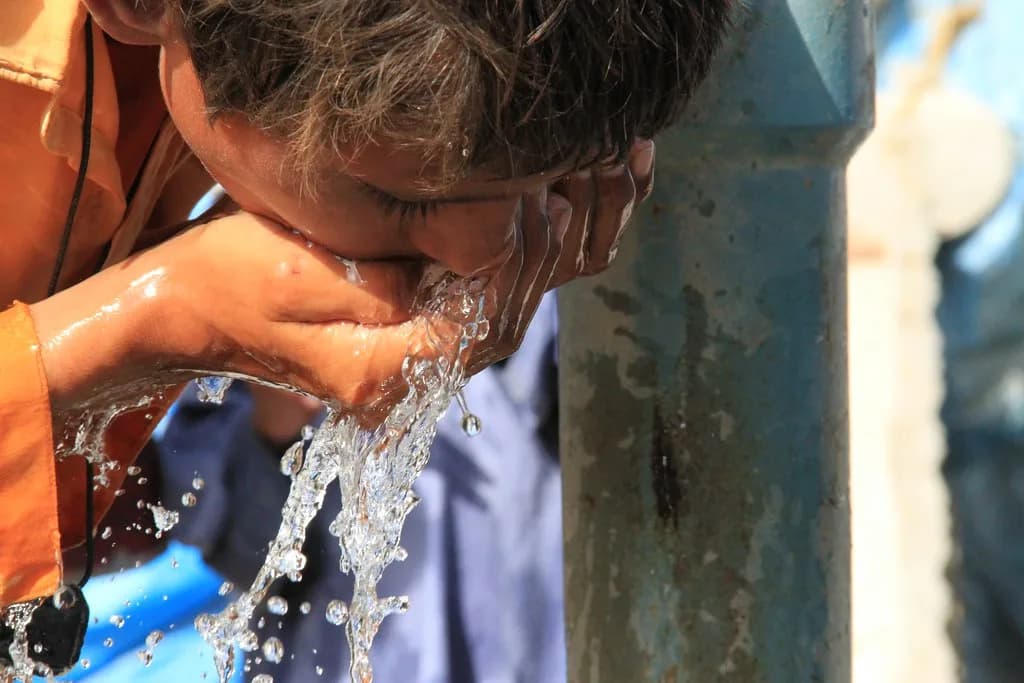
1. Proper water storage
One of the basic methods to ensure clean water is proper storage. Use designated water storage containers, made of safe materials such as BPA-free plastic. Water should be stored in cool, dark places, away from direct sunlight, to avoid bacterial growth. Services likeWorld Health OrganizationProvides reliable guidance on how to store water effectively.
As a general rule, stored water should be renewed every 6 months, as water stored for long periods may deteriorate in quality. Therefore, it is best to have a plan to recycle the water stored in your home.
2. Install a water filtration system
UseWater filtersIt is an effective step to ensure safe drinking water. Some water purifiers are produced through the process of reverse osmosis, which is one of the...The most efficient systems in removing impurities, including bacteria and heavy metals. According to a study fromConsumer Protection OrganizationHigh quality filters can ensure clean and healthy water.
Choose a water filtration system that fits your family's needs. Be sure to read ratings and certifications, such as NSF or WQA, to confirm the filter's effectiveness in removing contaminants.
3. Continuous monitoring of water quality
In the event of natural disasters, it is important to continuously monitor water quality. You can use simple water quality testing tools, such as contamination test kits, to check for the presence of contaminants. According toUS Center for Disease Control, these kits can help you take immediate steps if you detect any deterioration in quality.
Also, it is a good idea to equip a home to provide additional testing methods, such as scanners that can detect contaminants in the water.
4. Avoid using polluted water
It is important to avoid using contaminated water, especially after natural disasters. There may be potential sources of contamination, such as surface water or water from wells affected by flooding. If you are unsure about the safety of the water, it is best not to use it, whether for drinking, cooking, or even in daily activities. You should always consult reliable sources or local water agencies.
5. Communicate with the local community
Getting involved in the community is one way to ensure clean and safe water. Ensure you have backup plans by communicating with neighbors and local agencies about safety procedures and information available about water after an incident. Considering and sharing these systems can contribute greatly to organizing community efforts to maintain public health. You can find additional information fromFederal Water and Electricity Authority.
Conclusion
Maintaining clean water in times of natural disasters is a challenge that requires awareness and concrete strategies. Through proper storage, installation of water filtration systems, continuous monitoring of water quality, and avoiding the use of contaminated water, you can ensure the safety of you and your family. Remember, safety in the water greatly impacts your health and well-being. If you need consultation or related services, our companyTechnical 24Here to help you. We provide reliable solutions to ensure safe and healthy water for all your family members.